Managing family finances can feel tough sometimes, especially when expenses keep increasing and income feels limited. Between food, rent, school fees, utilities, transportation, and emergencies, it is easy for money to disappear without a clear plan.
This is why learning how to set up a family budget plan is essential for every household.
A family budget is not about restricting spending or living in discomfort. Instead, it is a tool that helps your family make better financial decisions, reduce stress, and work together toward shared goals.
Whether you have a small or large family, a clear budget plan can help you stay in control of your money.
In this guide, I will reveal step by step how to create a practical family budget plan that I have been using and it works in real life.

Why a Family Budget Plan Is Important
Before we learn how to set up a family budget plan, let’s first understand why a family budget plan is very important.
Family budget plan gives you a clear picture of your household finances. Without a budget, families often spend based on guesswork, which can lead to debt and financial tension.
A family budget helps you to:
- Control household spending
- Prioritize essential needs
- Plan for school fees and family expenses
- Save for emergencies and future goals
- Reduce financial stress and arguments
When everyone understands the budget, financial decisions become easier and more intentional.
Check Also: How to Budget Irregular Income with Practical Step by Step
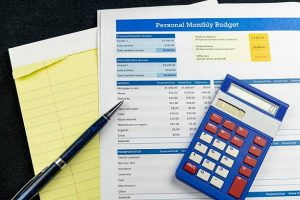
How to Set Up a Family Budget Plan Step by Step
Here’s a step by step guide on how to set up a family budget plan:
Step 1: Understand Your Family Income
The first step on how to set up a family budget plan is knowing exactly how much money comes into the household each month.
Common Sources of Family Income
- Salaries or wages
- Business income
- Side hustles
- Freelance or contract work
- Allowances or support
Add up all income sources to get your total monthly household income. If income is irregular, use an average or conservative estimate.
Step 2: Track Your Family Expenses
Before creating a budget, you must understand where your money is going.
Types of Family Expenses
- Housing (rent or mortgage)
- Food and groceries
- Utilities (electricity, water, gas)
- Transportation
- School fees and education costs
- Healthcare
- Clothing
- Miscellaneous expenses
Track expenses for at least one month. This helps identify spending patterns and areas where money can be saved.
Step 3: Separate Needs From Wants
One of the most important steps in family budgeting is distinguishing between needs and wants.
Needs
- Food
- Shelter
- Utilities
- Transportation
- Education
- Basic healthcare
Wants
- Eating out frequently
- Entertainment subscriptions
- Luxury items
- Non-essential shopping
A good family budget prioritizes needs first before allocating money to wants.
Step 4: Set Clear Family Financial Goals
Another easy step follow on our list of how to set up a family budget plan is by first setting up clear family financial goals.
Of course, a family budget works best when it is goal-oriented.
Examples of Family Financial Goals
- Building an emergency fund
- Paying school fees on time
- Reducing or eliminating debt
- Saving for a house or land
- Planning for holidays or celebrations
When goals are clear, it becomes easier to stay disciplined and motivated.
Step 5: Choose a Budgeting Method That Fits Your Family
Different families prefer different budgeting styles.
Zero-Based Budgeting
Every unit of income is assigned a purpose. This method works well for families that want strict control over spending. Learn how zero-based budgeting works.
Percentage Budgeting
Income is divided into categories such as needs, wants, and savings. This method is flexible and easy to understand.
Envelope Budgeting
Cash is divided into envelopes for different expense categories. This helps prevent overspending.
Choose a method that suits your family’s income and lifestyle.
Step 6: Create Your Family Budget Plan
Now it is time to build the actual budget.
Example Family Budget Categories
- Housing
- Food
- Transportation
- Utilities
- Education
- Savings
- Emergency fund
- Miscellaneous
Also, ensure you allocate income to each category until your income is fully planned.
Step 7: Include Savings and Emergency Funds
Savings should be part of your family budget, not an afterthought.
Why Emergency Funds Matter
- Cover unexpected expenses
- Reduce reliance on borrowing
- Provide financial security
Aim to save at least three to six months of essential expenses over time.
Step 8: Involve Every Family Member
A family budget works best when everyone is involved.
How to Involve Family Members
- Discuss financial goals together
- Explain spending limits
- Encourage children to understand money
- Set age-appropriate responsibilities
This promotes teamwork and reduces conflicts about money.
Step 9: Reduce Household Expenses
Reducing expenses frees up money for savings and goals.
Practical Ways to Cut Costs
- Plan meals and cook at home
- Buy groceries in bulk
- Reduce utility usage
- Cancel unused subscriptions
- Compare prices before purchases
Small changes can lead to significant savings over time.
Step 10: Plan for Irregular and Seasonal Expenses
Families often forget expenses that do not occur monthly.
Examples
- School fees
- Medical bills
- Repairs
- Holidays and celebrations
Break these expenses into monthly savings amounts to avoid financial pressure when they arise.
Step 11: Track Spending Regularly
One of the smart ways on how to set up a family budget plan is to track your spending. Tracking expenses helps ensure your family stays within budget.
Simple Tracking Methods
- Budgeting apps
- Spreadsheets
- Notebooks
- Mobile banking tools
Review spending weekly or monthly to identify problems early.
Step 12 Review and Adjust the Budget
A family budget is not fixed forever.
Review your budget when:
- Income changes
- Expenses increase or decrease
- Family goals change
Adjusting your budget helps it remain realistic and effective.
Read Also: Budgeting Tips for Students to Manage Money Wisely

Common Family Budgeting Mistakes to Avoid
Having learn how to set up a family budget plan, see also some of the family budgeting mistakes to avoid:
Not Having a Written Budget
A mental budget is easy to forget.
Being Too Strict
Unrealistic budgets are difficult to maintain. So make sure you learn to be disciplined and focus.
Ignoring Savings
Savings are essential for long-term stability. Always save no matter how little it’s.
Not Communicating
Lack of communication leads to misunderstandings and stress.
Benefits of Having a Family Budget Plan
Now that you have learned how to set up a family budget plan, note that when done correctly, a family budget plan helps you:
- Feel more in control of money
- Reduce financial stress
- Achieve family goals faster
- Teach children good money habits
- Build long-term financial security
See Also: 10 Best Budgeting Methods for Low Income Earners

FAQ on How to Set Up a Family Budget Plan
What is the best budgeting method for families?
From our list of how to set up a family budget plan, you can see that Zero-based budgeting works well for families that want full control, while percentage budgeting is easier for beginners.
How often should a family review their budget?
Families should review their budget monthly or whenever income or expenses change.
Should children be involved in family budgeting?
Yes. Involving children helps them learn good money habits early.
How much should families save monthly?
Families should aim to save at least 10 to 20 percent of their income if possible.
Can a family budget help reduce debt?
Yes. A clear budget helps control spending and allocate money toward debt repayment.
Final Words
Learning how to set up a family budget plan is one of the most important steps toward financial stability as a family.
There are lots of benefits of having a family budget plan; a family budget helps you manage expenses, save consistently, and plan for the future with confidence.
Thank goodness you have been able to learn how to set up a family budget plan, by understanding income, tracking expenses, setting goals, and involving every family member, you can create a budget plan that works for your household.
The key is just consistency and open communication.
Overall, start small, stay flexible, and keep improving your budget over time.
Good luck!
And remember to share this helpful post with your family and friends.