Looking for how to save money fast with a small income? You need to read this to the end because there’s a lot to learn here.
Saving money when your income is small can feel discouraging. You look at your salary, pay your bills, buy food, and before you know it, there is nothing left. At that point, saving feels like something only rich people can do.
But the truth is, saving money has little to do with how much you earn and everything to do with how you manage what you already have. Many people with small incomes save successfully, while others with higher incomes struggle financially.
And that’s why you have to learn how to save money fast with a small income, because when you understand that saving works, you’ll realize that saving is not a magic trick, but a habit and an intentional decision to learn.
Here, you’ll learn legit and simple ways to save money fast, even if your income is low or irregular.

How to Save Money Fast with a Small Income?
Saving money on a small income requires a different mindset. You cannot rely on big investments or large savings deposits. Instead, you must focus on controlling expenses, creating discipline, and building consistency.
The main thing to understand when it comes to saving money is not waiting until you earn more before you start saving; the key is to start saving with what you already have, no matter how small it feels.
Once you build this habit of saving from the little money you earn, increasing your savings becomes much easier over time than you can imagine. When it comes to how to save money fast with a small income, below are practical strategies that have been working for me:
1. Track Every Single Expense
The first and most important step in learning how to save money fast with a small income is knowing exactly where your money goes. Track your daily, weekly, and then your monthly expenses to understand where to adjust or not.
Most people underestimate their spending. They remember rent and food, but forget: Snacks and drinks, Transport tips, Subscriptions, Online purchases, Impulse spending, etc.
What some people don’t know is that these small expenses quietly drain your income if you don’t know your expenses. And that’s why it’s very necessary that you start now, because when you track every expense for just one month, you gain awareness.
And you know what? Awareness is powerful because it forces you to face reality. Once you see your spending patterns, cutting unnecessary costs becomes much easier.
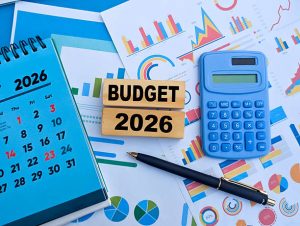
2. Create a Simple and Realistic Budget
A budget is simply a plan for your money. Without a budget, saving becomes difficult. But when you build a budget for your income, saving becomes intentional. Your budget does not need to be hard. A simple one works:
- Income
- Fixed expenses
- Variable expenses
- Savings
When your income is small, your budget needs to be simple because if you make it too strict, you may abandon it when the going gets tough. Hence, your goal shouldn’t be to get perfect as you start budgeting; your goal should be to be consistent. A good budget tells your money where to go instead of wondering where it went.
3. Pay Yourself First
This is one of the most powerful saving rules, especially for people who earn low or irregular income. Instead of saving what is left after spending, save first before spending anything.
As soon as you receive your income, remove your savings, pay your bills, and then spend the rest on needs.
This method forces discipline and makes saving automatic. Even if the amount is small, the habit builds financial confidence and consistency.
4. Cut Small Daily Expenses
When income is small, big expenses may be hard to change. But small daily expenses are easier to control. Examples include:
- Buying snacks every day
- Eating out frequently
- Online subscriptions
- Data bundles
- Impulse shopping
These expenses feel harmless, but they add up fast, so saving just 1,000 daily equals 30,000 in one month. That alone can become your emergency fund.
5. Use the Envelope Method
The envelope budgeting method is one of the simplest and most effective personal finance strategies ever developed. It remains relevant and best for people who struggle with overspending.
The main idea of envelope budgeting is simple: you divide your monthly cash into physical envelopes, each one labeled for a specific spending category, and once an envelope is empty, the money for that category is gone until the next month begins. The envelope budgeting method helps control spending, especially for small incomes.
How It Works in Practice. At the start of each month, you withdraw your budgeted spending money in cash and distribute it across labeled envelopes, one for groceries, one for transportation, one for entertainment, one for dining out, one for clothing, and so on for every spending category in your budget.
Throughout the month, you spend only from the relevant envelope for each purchase. When you go grocery shopping, you take the grocery envelope. When you want to eat out, you reach for the dining envelope. The moment an envelope runs out of cash, spending in that category stops; there is no borrowing from next month and no pretending the limit does not exist.
This budgeting method helps you to:
- Creates discipline
- Prevents overspending
- Makes money feel real
It works both physically with cash and digitally with separate accounts.
6. Build an Emergency Fund First
When you are living on a low income, the idea of building an emergency fund can feel almost impossible, but low-income families actually need one more than anyone else. With little financial wiggle room, a single unexpected expense like a medical bill, a car repair, or a lost job can quickly spiral into a cycle of debt that takes months to escape.
You don’t need a large sum to start. Set a small, achievable initial target and build gradually from there. To find the money, look at your spending honestly; small daily expenses add up faster than you think, and redirecting even a fraction of them consistently will grow into something meaningful.
Whenever unexpected money comes in, wit could be a tax refund, a cash gift, or extra income from a side hustle, channel it straight into your emergency fund before the temptation to spend it sets in. See side hustles to save for an emergency.
Keep the fund in a separate account away from your everyday spending so it’s protected from impulse use. Even watching a small balance grow slowly builds the financial confidence and discipline that will serve you well beyond just the emergency fund itself. Start small, stay consistent, and protect what you build.
7. Reduce Fixed Expenses Where Possible
Fixed expenses are bills that come every month without fail, like rent, insurance, subscriptions, phone, and utility bills. Because they feel permanent, most people on a low income simply accept them and work around them. But many of these bills have more room to change than you think, and even small reductions can free up money every month.
Start by writing down every fixed bill you pay and asking honestly, do I still need this, and ” Is there a cheaper option? Many bills are actually negotiable. A simple phone call to your internet, insurance, or phone provider, saying you are thinking of switching, can sometimes get your bill reduced on the spot. Companies would rather lower your bill than lose you as a customer.
Go through every subscription you pay for and cancel anything your household rarely uses. Streaming services, gym memberships, and forgotten auto-renewals quietly drain a tight budget every single month.
If rent takes up too much of your income, think about whether downsizing or finding a roommate could make your monthly costs more manageable.
Small cuts across several fixed bills add up to steady monthly savings, money you can put toward more important financial goals.
8. Look for Small Extra Income
Sometimes the fastest way to save is to earn a little more. When your income barely covers your basic needs, saving money by cutting expenses alone can only take you so far. Sometimes the most practical next step is finding small ways to bring in a little extra cash on top of your regular income, even a little additional amount each month can make a big difference when you are working with a tight budget.
Start by looking at what you already have. Old clothes, unused electronics, furniture, or household items you no longer need can be sold online or at a local market for quick cash. One good clear-out of your home can put money in your pocket faster than almost anything else.
Think about skills or services you can offer in your spare time. Cooking, cleaning, childcare, hair braiding, tutoring, running errands, or doing odd jobs for neighbors are all simple ways to earn extra money without any special qualifications or startup costs. You do not need a formal business, just a willingness to show up and do the work.
If you have a smartphone and some free time, small online tasks like surveys, freelance writing, or data entry can add a little extra to your income from home, though these should be seen as a supplement rather than a reliable primary source.
Remember, you don’t need a full second job. Simple options include:
- Freelancing
- Selling unused items
- Online tasks
- Tutoring
- Small side hustles
Even a small extra income can double your savings speed. The key is to treat any extra money you earn with discipline, resist spending it freely, and direct it straight toward your emergency fund, a pressing bill, or a specific savings goal. Extra income only changes your financial situation when it is used with a clear intention rather than absorbed quietly into everyday spending.
Read Also: Budgeting Mistakes to Avoid this Year

4 Common Mistakes That Stop People from Saving
Many people actually want to save money but never seem to make progress, no matter how hard they try. Often, the problem is not the amount of money coming in, but certain habits and thinking patterns that quietly block any savings from building up.
Now that you have learned how to save money fast with a small income, here are 4 common mistakes to watch out for.
1. Waiting Until the End of the Month to Save: Most people plan to save whatever is left after all their spending is done. The problem is that there is rarely anything left. Money that sits in your account gets spent; it’s just how it works. The fix is simple: move a set amount into savings the moment your income arrives, before you spend a single thing. Even a small amount saved first is better than a large amount that never actually gets set aside.
2. Having No Clear Savings Goal: Saving without a goal feels pointless, and pointless habits don’t last long. When you have nothing concrete to save toward, the motivation to resist spending disappears quickly. Give your savings a purpose, an emergency fund, a bill you want to clear, or a specific item your family needs. A defined goal turns saving from a vague good intention into something worth actually protecting.
3. Giving Up After One Bad Month: One difficult month where saving was impossible can feel like proof that saving just does not work for you, but it’s not. Bad months happen to everyone; there are always unexpected expenses, emergencies, and tight patches that are a normal part of life on a low income. The mistake is letting one setback become a permanent stop. Pick up where you left off the following month without guilt and keep going.
4. Trying to Save Too Much Too Soon: Setting a high savings target right from the start is one of the fastest ways to fail. When the target feels impossible to get, frustration sets in fast, and the whole effort gets abandoned. Hence, start with the smallest amount you can commit to without strain, build the habit first, and increase the amount gradually as your situation improves. Small and consistent will always beat large and short-lived.
Why Saving with a Small Income Is Good?
When you learn how to save money fast with a small income, you build strong financial habits. You learn: Discipline, self-control, planning, and delayed gratification.
These skills matter more than income itself and people who started saving on small incomes usually become better money managers when they earn more.
Check Also: Budgeting Apps for Beginners that are Free

Frequently Asked Questions
See also some questions and their answers on how to save money fast with a small income that might help your search as well:
1. Is it possible to save money on a very small income?
Yes, it is, though it looks different from saving on a higher income. The amounts may be smaller and the progress slower, but saving on a low income is genuinely possible with the right habits and a clear plan. The key is to start with whatever you can, no matter how little it feels, and stay consistent. Small amounts saved regularly over time grow into something meaningful, and the discipline you build in the process is just as valuable as the money itself.
2. How much should I save each month if my income is very tight?
No fixed amount works for everyone. The best answer is to save whatever you can without putting your basic needs at risk. Even setting aside a very small fixed amount every month is a real and valid start. As your situation improves or your expenses reduce, gradually increase the amount. The goal at this stage is not to hit an impressive number; it’s to build a saving habit that sticks regardless of how much money is involved.
3. What is the fastest way to save money on a low income?
The fastest way is to combine two things at once, cut an expense, and redirect that exact amount straight into savings the same day. When you cancel a subscription, immediately transfer that amount to your savings account before you find something else to spend it on. Selling unused items at home is another fast way to get a lump sum into savings quickly. Speed comes from decisive action, not from waiting for the perfect financial moment that may never arrive.
4. Should I save money or pay off debt first?
This is one of the most common money questions for people on low incomes, and the answer is, do both at the same time, even in small amounts. Learn how to build a small emergency fund first so that unexpected expenses do not push you deeper into debt, then split whatever you can spare between debt repayment and savings. Paying off high-interest debt quickly saves you money in the long run, but having zero savings while doing so leaves you completely exposed to any financial surprise that comes your way.
5. How do I stay motivated to save when progress feels very slow?
Slow progress is still progress, and keeping that perspective is everything. Write your savings goal somewhere visible so you see it daily. Track every small milestone and give yourself credit for hitting it, no matter how modest it seems. Share your goal with someone you trust who can encourage and hold you accountable. Most importantly, remind yourself regularly why you are doing this, whether it is security, freedom from debt, or a better future for your family. Motivation built on a strong personal reason outlasts motivation built on excitement alone.
Conclusion
Learning how to save money fast with a small income is one of the most valuable financial skills you can develop. You don’t need to wait until you earn more; you just need to start with what you already have and manage it better.
Saving is not about luck; it’s about habits, structure, and consistency. If you start today, even with a small amount, you will be shocked at how much progress you can make within a few months.
The best time to start saving was yesterday; the second best time is right now. Start tracking your expenses today, create your first simple budget, and your future self will thank you.
Find this helpful? Please share this insightful post so others can learn.

Hello, I’m Gloria, the voice behind Cashbank.com.ng.
I created this platform to help everyday people understand money better and make smarter financial decisions.
Like many people, I’ve had to learn how to manage money through experience and by figuring out how to save consistently, avoid unnecessary debt, and find ways to earn extra income.
This blog focuses on:
Practical saving strategies
Budgeting methods that fit real incomes
Legit side hustle ideas
Simple guides to financial tools and apps
Beginner-friendly investment and money management tips.
My goal is simple: to provide clear, honest, and useful financial information that anyone can apply, regardless of their income level.
Everything you read here is written from my real life experience, not just theory. I aim to make personal finance less confusing and more achievable for everyone.
If you’re looking to improve your financial life step by step, you’re in the right place.
Feel free to reach out to me at cashbank275@gmail.com