Managing money well is one of the most important life skills, yet many people struggle with it regardless of how much they earn.
A common problem is not knowing exactly where money goes each month. This lack of clarity often leads to overspending, debt, and financial stress. One budgeting method that directly solves this problem is zero-based budgeting.
In this detailed guide, you will learn zero-based budgeting explained step by step, how it works, why it is effective, who it is best for, and how you can start using it to take control of your finances.

What Is Zero-Based Budgeting?
Zero-based budgeting is a budgeting method where every unit of income is assigned a specific purpose before the month begins. At the end of the budgeting period, your income minus expenses equals zero.
This does not mean you spend all your money. Instead, it means every amount is planned, including:
- Living expenses
- Savings
- Emergency funds
- Debt repayment
In zero-based budgeting, no money is left without a job.
How Zero-Based Budgeting Works
Zero-based budgeting follows a simple but disciplined structure:
- Calculate your total monthly income
- List all expenses and financial goals
- Assign every unit of income to a category
- Ensure income minus expenses equals zero
- Track and adjust spending during the month
This method forces intentional spending and prevents money from being wasted unknowingly.
Check Also: 6 Best Budgeting Methods for Low Income Earners
Simple Example of Zero-Based Budgeting
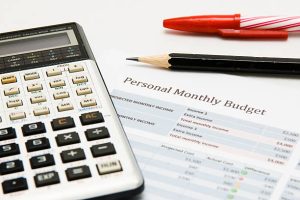
Assume your monthly income is ₦100,000.
Your zero-based budget might look like this:
- Rent: ₦35,000
- Food: ₦25,000
- Transportation: ₦10,000
- Utilities: ₦8,000
- Savings: ₦15,000
- Miscellaneous: ₦7,000
Total: ₦100,000
At the end of the budget, ₦100,000 to ₦100,000 = ₦0. Every naira has a defined purpose.
Why Zero-Based Budgeting Is Effective
Zero-based budgeting is effective because it removes uncertainty. Instead of wondering where your money went, you know exactly where it is going.
This budgeting method:
- Encourages financial discipline
- Reduces impulsive spending
- Improves savings habits
- Helps manage debt effectively
- Builds financial awareness
It is especially useful when income is limited or expenses are tight.
Key Benefits of Zero-Based Budgeting
Here are some of the gain of using the zero-based budgeting methods when it comes to budgeting your money:
1. Complete Control Over Your Money
One of the benefits of zero-based budgeting is that you decide how every unit of income is spent or saved. This level of control makes it easier to achieve financial goals.
2. Helps Reduce Unnecessary Spending
When every expense is planned, wasteful spending becomes obvious and easier to cut.
3. Encourages Consistent Saving
Savings are treated as a fixed expense, not something you do only if money is left over.
4. Ideal for Low and Fixed Income Earners
Zero-based budgeting works well when income is predictable and limited because it maximizes efficiency.
5. Reduces Financial Stress
Knowing that essentials and savings are already planned gives peace of mind.
That said, now let’s understand the difference between a zero-based budgeting and traditional budgeting methods so we don’t confuse beginners.
Zero-Based Budgeting vs Traditional Budgeting
Traditional budgeting often estimates expenses and allows leftover money to remain unplanned. Zero-based budgeting removes this uncertainty.
| Feature | Zero-Based Budgeting | Traditional Budgeting |
|---|---|---|
| Planning style | Detailed and intentional | Often approximate |
| Unassigned money | None | Often left unused |
| Spending control | Very high | Moderate |
| Best for | Tight budgets | Flexible income |
Read Also: How to Create a Monthly Budget Step by Step

Who Should Use Zero-Based Budgeting?
Zero-based budgeting is suitable for:
- Low income earners
- Students and young professionals
- Families managing household expenses
- Individuals trying to save or pay off debt
- Anyone who wants full control over spending
It is particularly helpful for people who feel their money disappears quickly.
Step-by-Step Guide to Creating a Zero-Based Budget
Now check out this Step-by-Step guide to creating your first zero-based budget:
Step 1: Calculate Your Total Income
Include all income sources such as salary, freelance work, allowances, or side hustles.
Step 2: List All Expenses
Group expenses into:
- Fixed expenses (rent, utilities)
- Variable expenses (food, transport)
- Financial goals (savings, debt)
Step 3: Assign Every Unit of Income
Allocate income until the balance reaches zero.
Step 4: Track Your Spending
Monitor expenses regularly to ensure you stay within budget.
Step 5: Adjust as Needed
If one category exceeds its limit, reduce another category to balance the budget.
Common Mistakes to Avoid in Zero-Based Budgeting
Below are also some of the vital mistakes to avoid if you want to use the zero-based budgeting method:
Forgetting Irregular Expenses
Plan for occasional costs like school fees, repairs, or medical bills.
Being Too Rigid
An overly strict budget can be difficult to maintain. Allow small flexibility when starting budget as a beginner.
Not Tracking Expenses
Zero-based budgeting fails without consistent tracking.
Tools to Use for Zero-Based Budgeting
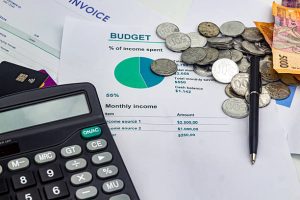
You can manage zero-based budgeting using:
- Spreadsheet templates
- Budgeting apps
- Notebooks or journals
- Banking apps with spending insights
Choose a tool that fits your lifestyle and comfort level.
Tips for Staying Consistent With Zero-Based Budgeting
- Review your budget weekly
- Track every expense, even small ones
- Adjust your budget when income changes
- Celebrate progress, not perfection
Consistency matters more than accuracy in the beginning.
Zero-Based Budgeting and Saving Money
One of the biggest advantages of zero-based budgeting is how it improves saving habits.
By treating savings as a non-negotiable expense, you build financial security gradually.
Even saving small amounts consistently can make a significant difference over time.
See Also: Beginners Guide to Budgeting Money

FAQs on Zero-Based Budgeting Explained
What does zero-based budgeting mean?
Zero-based budgeting means planning every unit of income so that income minus expenses equals zero at the end of the month.
Is zero-based budgeting good for beginners?
Yes, it is beginner-friendly and becomes easier with practice.
Does zero-based budgeting mean spending all your money?
No. It includes saving and debt repayment as planned expenses.
How often should I review my zero-based budget?
Weekly reviews are recommended to stay on track.
Can zero-based budgeting work with irregular income?
Yes, but it requires estimating income conservatively and adjusting frequently.
Final Thoughts
Zero-based budgeting is a powerful and practical method for managing money. By assigning every unit of income a purpose, you eliminate waste, increase savings, and gain full control over your finances.
Whether you earn a high income or a low income, zero-based budgeting is for you, as it helps you make intentional financial decisions and build long-term stability.
Hope you find this insightful.
Please don’t forget to share this with your family and friends.