Lagos is not a city for the faint hearted. It’s loud, it’s fast, it’s full of energy, and it’s full of opportunity.
But it is also one of the most expensive cities in Nigeria. If you are planning to move there, already living there, or just trying to understand where your money goes every month, this guide is for you.
In this article, I’ll reveal the cost of living in Lagos Nigeria, in 2026. From rent and food to transportation, utilities, and everything in between, we will provide real figures so you can plan your budget well beforehand.
Let’s get started as you learn all.
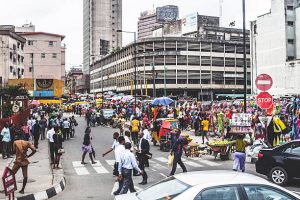
What Is the Cost of Living in Lagos Nigeria in 2026?
The cost of living in Lagos Nigeria in 2026 depends mostly on 3 things.
- Where you live on the island or the mainland.
- How you commute and how far you travel daily.
- Your lifestyle choices and the kind of comfort you want.
Based on current 2026 data, a single person needs an average of around 700,000 to 800,000 naira per month to live comfortably in Lagos including rent. Without rent, a single person can get by on between 450,000 and 600,000 naira per month.
For a family of four, the average monthly cost of living in Lagos including rent is between 1.5 million and 3 million naira depending on where they live and how they live.
Those numbers might feel shocking. But Lagos is not your average Nigerian city. It’s a megacity where demand is always high and prices reflect that reality.
Let us break it all down one after the other.
Rent and Housing
Rent is by far the biggest expense anyone faces when it comes to the cost of living in Lagos Nigeria.
The most important thing to understand about housing in Lagos is the island versus mainland divide. This single factor changes everything about what you will pay.
Living on the Lagos Mainland
The mainland includes areas like Surulere, Yaba, Ikeja, Ojodu, Ikorodu, Agege, Alimosho, and Ikotun. These are more affordable than the island and are where most middle class and working class Lagosian live.
The annual rent prices on the mainland include:
A self contained room in areas like Alimosho, Ikotun, or Ikorodu costs between 200,000 and 500,000 naira per year.
A one bedroom flat in Surulere or Yaba costs between 700,000 and 1.2 million naira per year.
A two bedroom flat in Ikeja costs between 1.5 million and 2.5 million naira per year.
One very important thing to know about Lagos rent is that landlords always ask for one or two years upfront. So even if a flat is 800,000 naira per year, you may need to pay 1.6 million naira before you even move in.
This is one of the biggest financial shocks for people moving to Lagos for the first time.
Living on the Lagos Island
The island includes areas like Lekki, Victoria Island, Ikoyi, Ajah, and Lagos Island itself. This is where the premium lifestyle happens and the prices show it.
The annual rent prices on the island include:
A one bedroom flat in Lekki Phase 1 costs between 3 million and 6 million naira per year.
A two bedroom flat in Victoria Island costs between 8 million and 12 million naira per year.
A two or three bedroom flat in Ikoyi can cost between 15 million and 25 million naira per year or even more.
If you’re new to Lagos and do not have a very high income, the island is not where you want to start. The mainland offers much better value for money, especially in areas like Surulere, Yaba, and Ikeja.
Food and Groceries
Food is the second biggest contributor to the cost of living in Lagos Nigeria, especially as food inflation has continued to push prices up over the past few years.
Research shows that groceries that cost around 25,000 naira in 2020 now cost well over 140,000 naira in 2026. That is a massive increase that has hit every Lagos household hard.
See what common food items cost in Lagos markets in 2026.
A bag of rice (50kg) costs between 90,000 and 110,000 naira.
A mudu of beans costs between 2,500 and 4,000 naira.
A crate of eggs (30 pieces) costs between 5,000 and 7,000 naira.
A liter of vegetable oil costs between 2,500 and 3,500 naira.
A bunch of plantain costs between 3,000 and 6,000 naira.
Fresh tomatoes per paint bucket cost between 3,000 and 5,000 naira.
A bag of frozen chicken costs between 30,000 and 45,000 naira depending on weight and brand.
If you cook at home regularly, a single person can manage their food budget on between 60,000 and 100,000 naira per month. A family of four cooking mostly at home will spend between 150,000 and 300,000 naira on food monthly.
Eating out regularly in Lagos costs more because a plate of food at a local Buka or mama put costs between 1,500 and 3,500 naira. A meal at a restaurant costs between 5,000 and 15,000 naira per person. Upscale restaurants on the island can charge far more though.
Transportation
Transportation is one of the things that costs more when people think about the cost of living in Lagos Nigeria.
Lagos traffic is legendary. Depending on where you live and where you work, commuting can consume both your time and your money in ways that feel painful every single day.
Here is what transport costs look like in 2026.
If you use public transport like danfo buses or minibuses, you can spend between 1,500 and 4,000 naira per day on fares depending on your routes. That adds up to between 40,000 and 100,000 naira per month.
If you take BRT (Bus Rapid Transit), the Lagos Bus Service, or water ferries, costs are lower and the experience is more comfortable.
Ride hailing apps like Bolt and Uber are convenient but expensive if used daily. A single trip within the island or from the mainland to the island can cost between 3,000 and 15,000 naira depending on distance and traffic.
If you own a car, fuel costs are a major factor. As of 2026, petrol prices in Lagos are between 950 and 1,100 naira per litre. Factor in the cost of maintenance, third party insurance, and parking, and car ownership adds a significant amount to your monthly expenses.
A reasonable estimate for transport costs in Lagos for a working professional is between 50,000 and 150,000 naira per month.
Utilities and Power
Electricity is one of the most frustrating parts of living in Lagos and one of the most expensive hidden costs.
Public electricity supply in Lagos is unreliable. Most residents and businesses rely heavily on petrol generators or solar energy systems to fill the gaps.
Here is what utilities cost in 2026.
PHCN or EKEDC prepaid electricity bills cost between 15,000 and 40,000 naira per month depending on usage and your area.
Generator fuel for a small to medium sized flat running a generator a few hours daily costs between 40,000 and 80,000 naira per month.
Water from private tanker suppliers costs between 10,000 and 25,000 naira per delivery depending on location and tanker size. Many estates include water in their service charges.
Estate service charges in gated communities and managed estates on the island can run between 50,000 and 200,000 naira per month and sometimes more. These charges cover security, cleaning, water, and maintenance of common areas.
In total, most Lagos households spend between 60,000 and 200,000 naira on utilities monthly depending on their setup and power needs.
School Fees and Education
If you’ve children, education costs are a bigger part of the cost of living in Lagos Nigeria.
Public schools exist but the quality are different from privates and many parents prefer private schools for better results and safer environments.
Private primary school fees in Lagos are from:
Budget private schools cost between 50,000 and 200,000 naira per term.
Mid range private schools cost between 200,000 and 600,000 per term.
High end private schools on the island cost between 700,000 and 2 million naira or more per term.
With three terms in a school year, education for one child at a mid range school can cost between 600,000 and 1.8 million naira annually, not including books, uniforms, and extracurricular activities.
Healthcare
Healthcare costs in Lagos differ depending on the type of facility you use.
A visit to a general practitioner at a private clinic costs between 5,000 and 20,000 naira.
Specialist consultations cost between 20,000 and 100,000 naira and sometimes more depending on the doctor and hospital you visit.
Basic medications and prescriptions cost between 5,000 and 30,000 naira depending on the condition being treated.
Many employers offer Health Management Organization (HMO) coverage to their staff, which reduces out of pocket healthcare costs. If your employer does not provide HMO, it’s worth subscribing to one privately. Plans start from around 30,000 naira per year for basic coverage.
Entertainment and Lifestyle
Lagos is one of the most top cities in Africa. There is always something happening. But entertainment costs money.
A cinema ticket at Filmhouse or Genesis costs between 3,000 and 6,000 naira.
A gym membership in Lagos costs between 15,000 and 60,000 naira per month depending on the facility.
A dinner out for two at a mid range restaurant on the mainland costs between 15,000 and 40,000 naira.
A weekend outing on the island including drinks can easily cost between 30,000 and 100,000 naira or more.
Entertainment is an area where spending can spiral very quickly in Lagos if you’re not disciplined. It’s important to budget for it intentionally rather than spending without a plan.
Read Also: Highest Paying Remote Jobs in Nigeria 2026
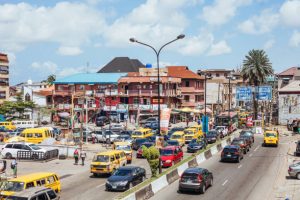
Monthly Budget Summary for Lagos 2026
Here is a simple breakdown of what different types of people spend monthly in Lagos in 2026.
A budget conscious single person spending carefully can get by on between 200,000 and 400,000 naira per month excluding rent.
A single working professional living comfortably spends between 400,000 and 700,000 naira per month excluding rent.
A couple living comfortably on the mainland spends between 700,000 and 1.2 million naira per month excluding rent.
A family of four living comfortably including school fees needs between 1.5 million and 3 million naira per month all in.
Remember to add rent on top of all these figures. On the mainland, that might add between 60,000 and 200,000 naira per month to your budget. On the island, it could add 300,000 to over a million naira per month.
Is Lagos Expensive Compared to Other Nigerian Cities?
Yes. Lagos is the most expensive city in Nigeria and one of the most expensive cities in West Africa.
Compared to cities like Abuja, Port Harcourt, Ibadan, and Kano, Lagos is more expensive, especially when it comes to rent and transportation.
However, Lagos also offers the most economic opportunities, the biggest job market, the most businesses, and the most access to international connections.
Many people find that earning potential in Lagos more than compensates for the higher cost of living, especially for those working in high income sectors or remotely for international companies.
How Much Do you Need to Live Comfortably in Lagos?
Like I said earlier, the cost of living in Lagos Nigeria in 2026 depends mostly on 3 things.
- Where you live on the island or the mainland.
- How you commute and how far you travel daily.
- Your lifestyle choices and the kind of comfort you want.
Based on current 2026 data, a single person needs an average of around 700,000 to 800,000 naira per month to live comfortably in Lagos including rent. Without rent, a single person can get by on between 450,000 and 600,000 naira per month.
For a family of four, the average monthly cost of living in Lagos including rent is between 1.5 million and 3 million naira depending on where they live and how they live.
Those numbers might feel shocking. But Lagos is not your average Nigerian city. It’s a megacity where demand is always high and prices reflect that reality.
Read Also: How to Make Money in Nigeria

FAQs on Cost of Living in Lagos Nigeria
Q1. How much money do I need to live comfortably in Lagos in 2026?
A single person needs between 600,000 and 900,000 naira per month including rent to live comfortably in Lagos in 2026.
A family of four needs between 1.5 million and 3 million naira per month depending on their location and lifestyle.
Q2. Is it cheaper to live on the Lagos mainland or the island?
The mainland is significantly cheaper. Rent in areas like Surulere, Ikeja, and Yaba is a fraction of what you would pay in Lekki, Victoria Island, or Ikoyi.
For most people, especially those just starting out in Lagos, the mainland is the smarter financial choice.
Q3. How much is rent in Lagos in 2026?
Rent is from around 200,000 naira per year for a room in a budget area on the mainland all the way to 25 million naira or more per year for a luxury apartment in Ikoyi or Victoria Island.
Most middle class Lagosian pay between 1 million and 3 million naira per year for a decent flat on the mainland.
Q4. Can I survive in Lagos on 200,000 naira per month?
It’s tight but possible if you live in a affordable area, cook all your meals at home, and manage your transport costs carefully. You would have very little room for emergencies, savings, or entertainment at this budget in 2026.
Q5. Is Lagos more expensive than Abuja?
In terms of rent and housing, Abuja is also expensive, especially in areas like Maitama, Asokoro, and Wuse.
However, Lagos is generally considered more expensive overall because of higher transport costs, higher food prices, and the cost of daily life in a city of 20 million plus people.
Q6. What is the biggest expense for most people in Lagos?
Rent is consistently the biggest expense, consuming between 40 and 60 percent of many households’ monthly budgets.
After rent, food, transportation, and power costs are the next biggest drains on income.
Final Words on Cost of Living in Lagos Nigeria
Lagos is expensive. There is no way around it. But Lagos also favors those who come prepared.
If you understand the cost of living in Lagos Nigeria before you arrive or before you set your monthly budget, you can make smarter decisions about where to live, how to commute, and how to spend your money.
The key is just to know your abilities, live within your means, and never let Lagos lifestyle pressure push you into spending more than you earn.
If you’re planning to move to Lagos or are already there trying to make sense of your expenses, we hope this guide gives you the clarity you need to budget and plan with confidence.
If this article helped you, share it with someone who is planning a move to Lagos. And drop your questions in the comments below. We would love to hear from you.
Disclaimer: The figures and estimates in this article are based on publicly available 2026 data and general market research. Actual costs differ based on individual lifestyle, location, and economic changes. This article is for informational purposes only.