Living on a low income can make managing money feel stressful and overwhelming. When your earnings are limited, even small financial mistakes can quickly lead to debt, missed bills, or constant anxiety about money.
This is why learning the best budgeting methods for low income earners is one of the most important financial skills you can develop.
Budgeting is not about how much you earn; it is about how well you manage what you have. With the right budgeting system, even a small income can be stretched to cover essentials, reduce waste, build savings, and improve overall financial stability.
In this well-researched post, you will learn proven budgeting methods that actually work for people with low income, practical tips to reduce expenses, and smart strategies to stay consistent without feeling deprived.
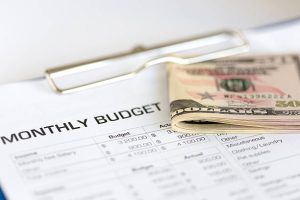
Why Budgeting Is Essential for Low Income Earners
Budgeting becomes even more critical when income is limited because there is little room for financial error. Without a budget, money tends to disappear quickly, often on non-essential expenses that add no real value.
Budgeting helps low income earners to:
- Control spending and avoid impulse purchases
- Prioritize essential needs like food, rent, and utilities
- Reduce reliance on loans and credit
- Build emergency savings gradually
- Plan ahead for future expenses
Moreover, a well-planned budget gives clarity and peace of mind. It helps you feel more confident about your finances, even when income is small.
Check Also: Beginners Guide to Budgeting Money
6 Best Budgeting Methods for Low Income Earners
Below are the most effective and realistic best budgeting methods for low income earners designed to help you budget your income well:
1. Zero-Based Budgeting
Zero-based budgeting is a method where every unit of income is assigned a specific purpose. At the end of the month, your income minus expenses should equal zero.
This does not mean you spend all your money, but rather that every amount is planned, including savings.
Why It Works for Low Income Earners
When income is low, unplanned money often gets wasted. Zero-based budgeting ensures that no money is left without a purpose, helping you stay intentional with every expense.
How to Use Zero-Based Budgeting
- Write down your total monthly income
- List all fixed expenses like rent and utilities
- Add variable expenses such as food and transport
- Allocate money to savings and emergency funds
- Adjust until every unit of income is assigned
This method is especially useful for people who want full control over their finances.
2. The 50/30/20 Budget Rule (Modified for Low Income)
The 50/30/20 rule divides income into:
- 50% for needs
- 30% for wants
- 20% for savings or debt repayment
How to Adapt It for Low Income
For many low income earners, needs may take more than 50% of income. In this case, reduce the “wants” category and focus on saving even small amounts.
This method works best for beginners because it is simple and flexible.
3. Envelope Budgeting System
Envelope budgeting involves dividing your money into different envelopes, each labeled for a spending category such as groceries, transport, or utilities.
Why It Is Effective
Once an envelope is empty, spending in that category stops. This prevents overspending and helps develop spending discipline.
Digital Alternative
If you prefer cashless budgeting, you can use multiple bank accounts or budgeting apps to replicate this system digitally.
4. Pay Yourself First Budgeting
Paying yourself first means saving money before spending on anything else.
Instead of saving what is left, you save first and budget the remainder.
Why It Is Important
Low income earners often struggle to save because expenses consume all available money. This method makes saving a priority, even if the amount is small.
Start with a small percentage and increase it gradually as your income improves.
5. Priority-Based Budgeting
One of the best budgeting methods for low income earners is the priority-based budgeting. This budgeting method focuses on ranking expenses by importance.
Essential needs are funded first, while non-essential spending is considered last.
Benefits for Low Income Earners
Priority-based budgeting ensures that critical expenses like rent and food are never compromised. It also helps eliminate unnecessary spending.
6. The 30-Day Rule for Spending Control
Here’s also another best budgeting methods for low income earners. See how it works; Before making any non-essential purchase, wait 30 days. If you still feel it is necessary after that period, you can buy it.
Why this Method Helps
This rule reduces impulse buying and helps you focus on long-term financial goals rather than short-term desires.
Read Also: How to Create a Monthly Budget Step by Step

Budgeting Tools That Make Life Easier
Using budgeting tools can simplify money management and improve accuracy.
Popular Budgeting Tools
- Spreadsheets for custom budgeting
- Budgeting apps for tracking expenses
- Banking apps with spending insights
Many free tools are suitable for low income earners and easy to use.
Practical Tips to Stretch a Low Income Budget
Budgeting works best when combined with smart money-saving habits.
Here are tried and trusted tips I have myself used as a beginner low income earner that works:
Meal Planning and Food Budgeting
- Plan meals weekly
- Buy in bulk where possible
- Avoid shopping without a list
Reduce Utility Costs
- Turn off unused appliances
- Use energy-efficient lighting
- Monitor water usage
Transportation Savings
- Use public transport
- Walk or bike when possible
- Share rides
Increase Income Gradually
- Learn a skill
- Freelance online
- Start a small side hustle
Common Budgeting Mistakes to Avoid
Even with good intentions, mistakes can happen so below are the common mistakes to avoid as a low income earner:
Not Tracking Expenses
Without tracking your income flow in and how it’s spend, budgeting becomes guesswork.
Setting Unrealistic Budgets
Overly strict budgets often fail. Allow room for flexibility.
Ignoring Emergency Savings
Unexpected expenses are inevitable. Emergency funds prevent financial setbacks.
That said, now let’s see how you can stay consistent using these best budgeting methods for low income earners.
Staying Consistent With Your Budget
Consistency is more important than perfection.
Ways to stay motivated include:
- Setting realistic goals
- Reviewing progress monthly
- Rewarding small wins
- Staying patient
Budgeting is a long-term habit, not a short-term fix.
FAQs on Best Budgeting Methods for Low Income Earners
1. What is the best budgeting method for low income earners?
Zero-based budgeting is one of the best budgeting methods for low income earners because it assigns every unit of income a purpose, preventing waste and improving control.
2. Can budgeting work if my income is very small?
Yes, budgeting works at any income level. It helps you manage limited resources more effectively and avoid unnecessary spending.
3. How much should a low income earner save monthly?
There is no specific amount when it comes to savings. Just start saving small and add up as you grow.
However, saving 5 to 10% of your income is ideal, know that even smaller amounts saved consistently can make a difference.
4. Which budgeting method is easiest for beginners?
From our list of best budgeting methods for low income earners above, the 50/30/20 rule is easy to understand and implement, especially for beginners. I know this because I have tried it several times and it works perfectly for others according to my research.
5. What mistakes should low income earners avoid when budgeting?
Common mistakes include not tracking expenses, being too strict, ignoring emergency savings, and failing to plan for irregular expenses.
Conclusion
Learning the best budgeting methods for low income earners can completely change how you manage money.
While earning more income is helpful, managing what you already earn is the foundation of financial stability.
By choosing a budgeting method that suits your lifestyle and staying consistent, you can reduce stress, avoid debt, and gradually build a better financial future.
Start today, even if the steps feel small. Progress adds up.
Hope you find this helpful
Please remember to share with your family and friends.